Lifespan, Why
So Many Great Danes Die Young
After decades of living with Great Danes, I have come to a conclusion that may surprise many people.
I do not believe their size alone is what shortens their lives.
The bigger problem is that we continue to breed a giant dog while expecting it to fit into a world that was never designed for one.
Modern life is loud.
Homes are getting smaller. Cities are becoming denser. People work longer hours. Daily life is fast, noisy, and often chaotic.
Great Danes can adapt to many environments, but they rarely thrive in constant stress.
In my experience, they need something different.
They need space—not necessarily a huge estate, but enough room to move naturally. They need predictable routines. They need calm people who make decisions for them. They need owners who understand that a Great Dane should almost never be forced to solve difficult situations on its own.
People often assume that because a dog is enormous, it must also be physically and mentally robust.
The opposite is often true.
A Great Dane puppy grows for an exceptionally long time. During those months every decision matters.
Too much exercise cannot always be repaired.
Poor nutrition leaves permanent marks.
Slippery floors, endless ball chasing, jumping in and out of cars, running beside bicycles, or expecting a puppy to keep up with adult dogs may all have consequences years later.
The foundation for an old Great Dane is built during puppyhood.
They Need Peace More Than Power
Many people buy a Great Dane because they want an impressive dog.
What they actually receive is one of the gentlest breeds imaginable.
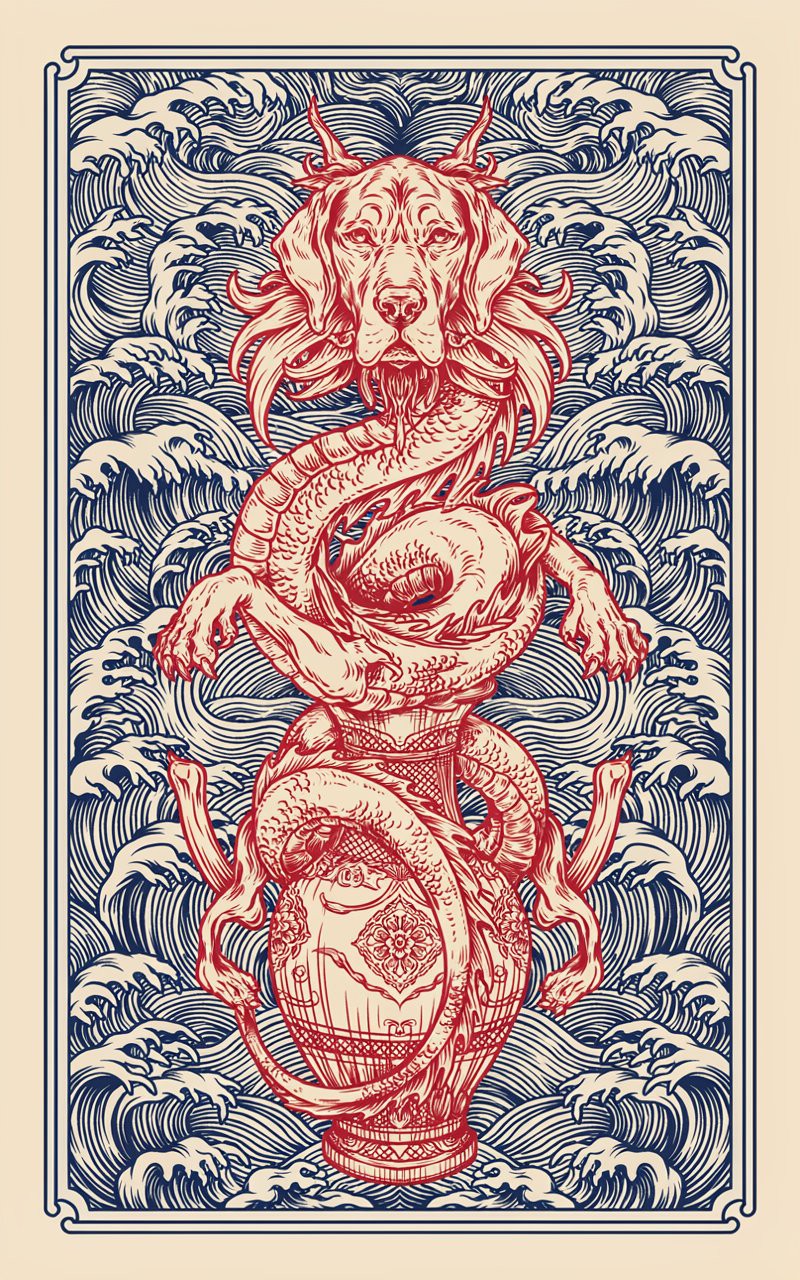
I often describe the breed as a Ming vase with four paws.
- Beautiful
- Beautiful
- Magnificent
- Remarkably resilient when treated well
- Yet surprisingly easy to damage through ignorance rather than cruelty.
Great Danes usually enjoy companionship, and many are happiest living with another compatible dog.
But that does not mean they enjoy living in large, constantly changing packs or highly competitive social groups.
Likewise, very busy households with many young children are often overwhelming. Calm, respectful older children usually fit the breed much better.
This is not because Great Danes dislike people. Quite the opposite. Most adore people. They simply do not enjoy constant excitement.
The Human Factor
If there is one thing I have learned after caring for more than a thousand Great Danes, it is this:
People are usually the greatest risk to the breed. Not because they are cruel. Because they misunderstand what a Great Dane really is.
- It is not a giant athlete
- Not a guard dog
- Not a marathon runner
- Not an ornament for social media, but, this fits somehow
- And certainly not a dog for someone learning about dogs for the first time
Great Danes need experienced, confident owners who think ahead.
Owners who provide structure instead of chaos. Guidance instead of freedom. Routine instead of constant surprises.
A Final Thought
People often ask me whether a Great Dane's lifespan is mostly luck. I don't think it is. Genetics matter enormously, and responsible breeding remains the single most important foundation for a healthy life. But what happens after the puppy comes home matters every single day.
- Good food.
- Age-appropriate exercise.
- A peaceful household.
- Suitable companions.
- Enough rest.
- Thoughtful management.
- And owners who understand that this giant dog is far more delicate than it appears.
A Great Dane is not a monster truck. It is not a tank. It is a magnificent illusion of strength wrapped around an exceptionally sensitive soul.
Treat it accordingly, and it may surprise you with how long it stays by your side.